
THE KERALA JACKFRUIT STORY: A SURPLUS DILEMMA?
By K.V. Murali Mohan
Kerala produces around 1.52 million tonnes of jackfruit every season - A quarter of the harvest goes unconsumed -The large size of the fruit poses a major hurdle in transportation and marketing - Jackfruit has a short shelf life and deteriorates quickly - Jackfruit (Panasa) is revered as an auspicious fruit -Jackfruit is consumed fresh or as processed products or turned into curries and dishes.
“Jackfruit has arrived.’ So goes a WhatsApp message from a Kerala store in Hyderabad. There should be a queue of customers waiting to grab their share before it sells out. Jackfruit is the ‘super fruit,’ they say. But for Keralites, jackfruit is much more than that—it is nostalgia. Jackfruit is deeply rooted in Kerala’s local cuisine and culture. At the dawn of the New Year (Vishu), Malayalis open their eyes to the sight of jackfruit as a key component of Vishukkani. The Vishu feast remains incomplete without jackfruit delicacies. When passion picks, price plays second. No wonder the price of jackfruit varies dramatically—from ₹30 per kg in Kerala to ₹300 elsewhere in India and almost ₹3,000 in global markets.
Surplus Challenge
Kerala, which accounts for 45% of India’s jackfruit production, faces a surplus challenge every season. Rising transportation costs have added to its woes this year. According to vendors, outbound supplies to domestic and international markets have fallen by more than half this year.
Estimates suggest that Kerala produces around 1.52 million tonnes of jackfruit every season (April to August), with nearly a quarter of the harvest going unconsumed. This is surprising given its widely acknowledged health benefits and medicinal attributes. The state has even recognized jackfruit as its state fruit in a bid to boost its cultivation, processing, and exports.
Culinary versatility
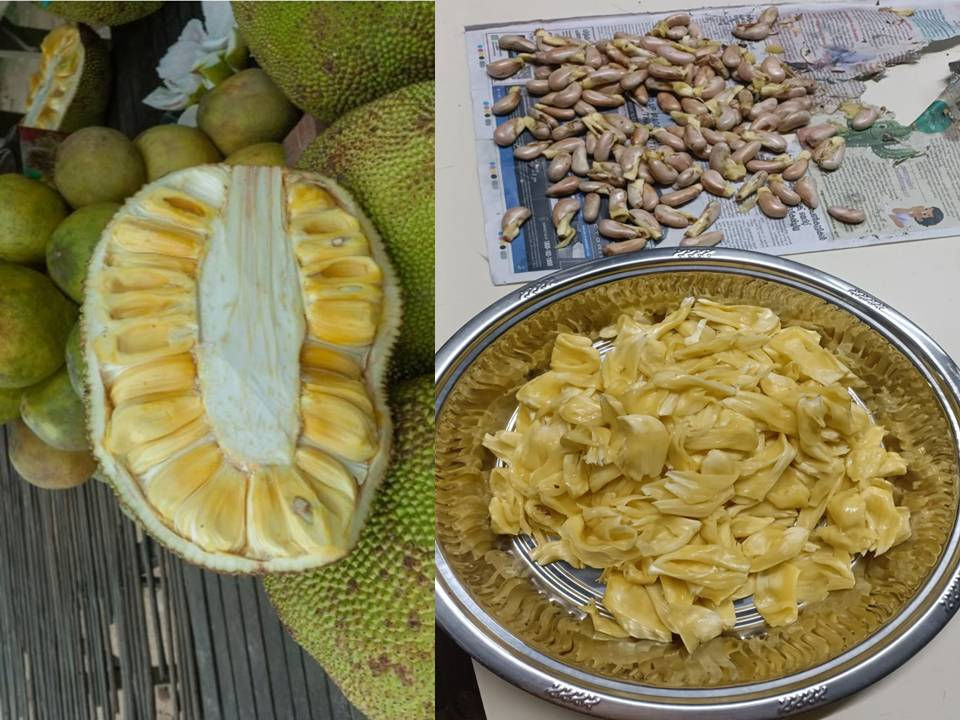
Jackfruit’s culinary versatility is truly remarkable. Unripe fruits can be turned into curries, biriyani, chips, flour and pickles. These fruits offer vegan alternatives to meat and chicken in global cuisines. The ripe jackfruits are consumed fresh or processed into ‘Jackfruit Varatty’ (Preserve), halwa, jams, and ice creams. Jackfruit seeds, too, are consumed roasted or boiled, added to curries, and even ground into flour. Beyond its fruits and seeds, nothing goes to waste in a jackfruit tree. Its leaves serve as livestock fodder, its trunk provides timber, and its roots are used in traditional remedies.
Thriving with minimal care
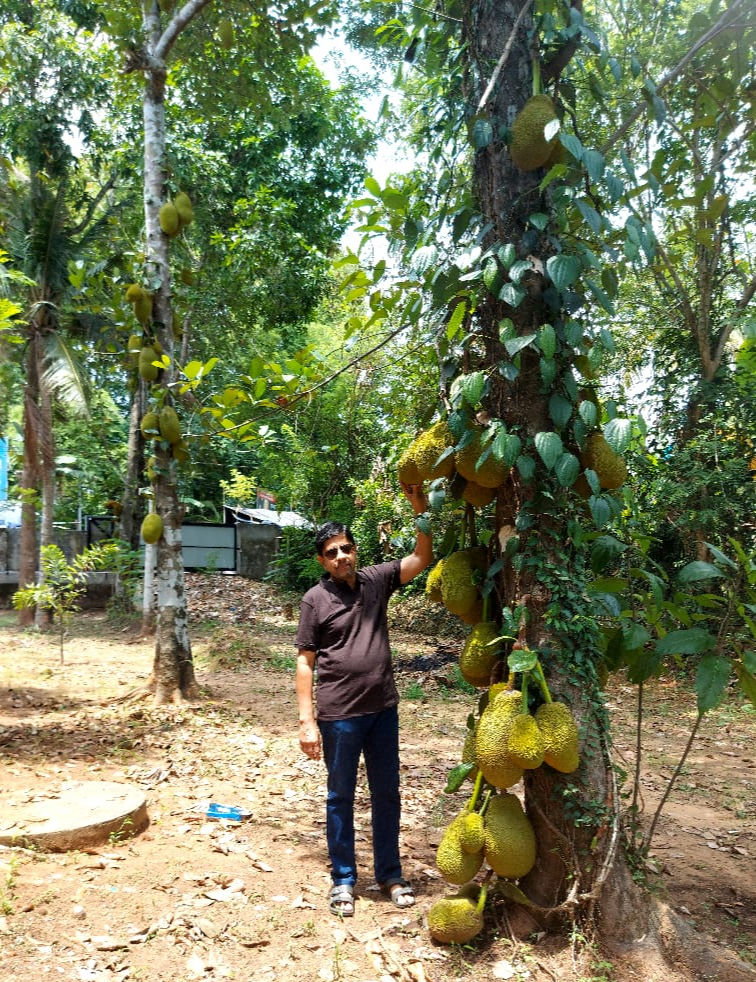
In Kerala, nearly every second homestead has a jackfruit tree, thriving with minimal care or farming inputs such as manuring. These trees can grow to over 30 feet in height, with trunks measuring around four feet in diameter. The world’s largest tree-borne fruit, the jackfruit, can reach up to three feet in length and two feet in width, weighing as much as 40 kg. A single jackfruit tree can yield up to 200 fruits a year. Unlike most fruits that hang from branches, these massive fruits grow directly from the trunk. Jackfruit trees are commonly propagated through seeds, although grafting and other techniques are also used. Under favourable conditions, the trees can start bearing fruit from the third year onwards.
Varikkachakka
In India, jackfruit varieties are traditionally classified based on the texture of their flesh. The firm-fleshed varieties, known as Varikkachakka in Malayalam, are preferred for fresh consumption, while the soft-fleshed varieties, called Pazhachakkaa, are more suitable for processing. Among the Varikkachakka varieties, the sweetest ones are fondly known as Thenvarikka, which means “honey fruit,” owing to their exceptional sweetness.
Jackfruit is native to the Western Ghats, a mountain range that stretches across five southern and central Indian states, including Kerala and Tamil Nadu. As a tropical crop, it flourishes in warm and humid climates.

Auspicious fruit
In the Puranas, the jackfruit (Panasa) is revered as an auspicious fruit. References to jackfruit trees can be found in several epic texts, as well as in regional folklore. The fruit is believed to be a favourite offering of Lord Bala Ganapathi and Lord Jagannath of Puri. Ripe jackfruit (Chakkapazham) is offered as Nivedhyam in many temples across Kerala, including the renowned Koodalmanikyam Temple. Jackfruit wood holds spiritual significance and is traditionally used to carve images of deities and to make the sacred wooden seats used by Hindu priests, known as Avana Palaka.
The Road Ahead

Jackfruit is a wonder tree that requires minimal maintenance, yet its greatest challenge lies in managing the seasonal surplus of its produce. A practical solution is to encourage greater domestic consumption and promote exports. However, the fruit's large size poses a major hurdle for transportation and marketing, and ripe jackfruit has a short shelf life and deteriorates quickly. Processed jackfruit products offer greater commercial potential than whole fruits, as they are easier to market, transport, and export. With longer shelf stability, processing can transform the seasonal surplus into valuable products and open new avenues for the jackfruit industry.
***************

K.V.Murali Mohan, a passionate freelance writer, blogger, and ardent communicator - Double Post Graduate in communication subjects -Recipient of Kulapati Gold Medal and TKM Rao award in Journalism - Credited with four decades of literary pursuit spanning over 300 plus articles in national and regional publications.

Comments